
Why no one should ever want to be obese
So this blog is going to bring together the series on metabolic syndrome and it is quite fitting seeing as obesity is the common factor amongst all of the diseases. I have a real problem with obesity and this is purely from a health standpoint rather than an aesthetic one. If you have taken the time to read my past blogs you will have seen obesity pop up time and time again as a forerunner for the other metabolic diseases.
Obesity is defined as “abnormal or excessive fat accumulation that may impair health.” (World Health Organisation, 2012). Furthermore in order to be classified as clinically obese the WHO use the standardised Body Mass Index. This is an individual’s weight (in kg) divided by the square of his/her height (in metres). To be classified as overweight you would need to have a BMI greater than 25 and to be classified as obese you would need a BMI equal to 30 and above. This is not to say that this is the only method of measurement as there is actually a wide variety of tests that can be used, some more specific than others with regards to actual body composition. However for the needs of a large population, the BMI method is extremely useful.
It is also important to note a definition used by the American College of sports medicine (1998) – “A surplus of adipose tissue containing fat stored in triglyceride form, resulting from excess energy intake relative to energy expenditure”. To simplify: storing fat comes from eating more energy than you expend. I will be coming back to this statement when we discuss the methods and routes that can be taken in order to combat obesity.
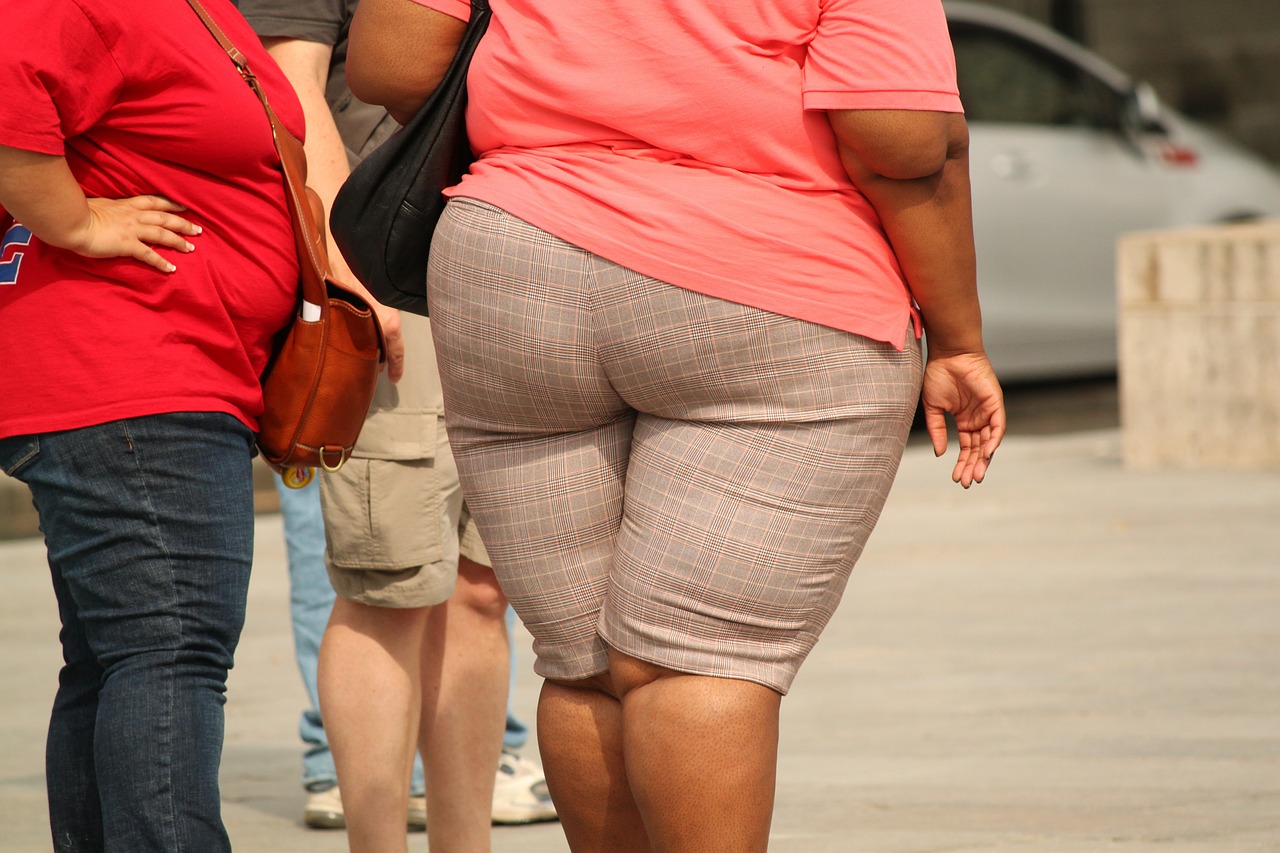
The region of where you store fat is also an important point – abdominal deposition (fat stored around the stomach and normally shown in men) is more closely linked to metabolic complications as opposed to lower body fat deposition (around the buttocks and thighs normally shown in women). I think it goes without saying that even if you store fat that’s not around your abdominal, this doesn’t mean you’re ok and in the clear.
The health risks associated with obesity constitutes a long list of which some I have included in previous blogs but for the ill-informed:
* Some cancers
* Circulatory disease
* Type 2 diabetes
* Hypertension
* Gall bladder disease
* Osteoarthritis
* Sleep Apnoea
* Breathing problems
* Lower back pain
* Liver disease
* Complications with pregnancy
The first four on that list come from the obesity clustering with the other metabolic diseases and causing problems via a combined deterioration of blood vessel health. Osteoarthritis can arise from the significant load that the musculoskeletal system is put under when carrying significant excess
weight. This can then cause a viscous cycle of performing less and less physical activity due to pain from joints and restricted mobility. I think another important point is the mental strain which can carry along with being overweight or obese. The social impact can be quite severe, especially in younger children up until teens and even later which can cause depression. Again this will add to a cycle of not exercising and maybe even comfort eating/drinking which will add to the problems.
There are various causes associated with diabetes and some will surprise you more than others. Obviously the nutritional aspect of food choice and alcohol goes without saying much really however things like socio-economic status and actual attitude towards food are very influential towards the food choice that comes after. People that are from poor economic backgrounds tend to have less education in areas such as nutrition and hence make poorer choices with regards to food and drink. The important point is that these lifestyle factors are modifiable and preventable through forms such as extra education i.e. specific charities, online courses, awareness days in schools. Sure the genetic factors of race, age and gender might predispose and individual to obesity but it is the environmental factors which determine whether the disease manifests.
Dealing with the issue of obesity can be explained extremely simply and this is done using the ACSM statement from before. If a stable bodyweight is to be maintained, energy balance needs to be achieved, it is a very simple relationship. If one side of the balance exceeds the other then the person will either gain weight or lose it. This normally needs to be chronic in order to achieve significant change but in circumstances such as illness this can happen much quicker. This is where both exercise and nutrition come in. Exercise can be extremely beneficial to the overweight/obese population for a variety of reasons, number one being that it expends energy. This means that it can contribute and maintain the energy balance. If you combine this with a slightly calorie restricted diet then you have a double whammy of putting that energy balance in a weight loss state. Other benefits of exercise include psychological improvement/well-being such as improvements in anxiety, depression and self-perception which can help with self-esteem. It’s literally a no brainer.
In terms of exercise recommendations of exercise for obese individuals, the ACSM recommend 45-60 minutes a day of moderate intensity physical activity. This can be performed in any mode, in any place, individual or in a group. My advice would be to avoid high impact activities until some weight has come off in order to prevent any overuse of joints, joint pain and reduce balance issues which might be present. Non-weight bearing activities would be ideal such as swimming, rowing or cycling which can all still be highly enjoyable. Also I believe there should be significant emphasis placed on the ‘enjoyable’ part as this should be a time you look forward to as opposed to dreading. The likelihood of sticking to an exercise programme when you don’t enjoy it is very small.
I hope you have taken something away from this series and I understand that it is a lot of information to take in however I feel that by putting it out there then people can gain a better understanding which might help them or people that are close to them. I would also like to emphasise that you can use this information to prevent the diseases as this will be much more beneficial as opposed to trying to treat them.
Sevenoaks Personal Trainer
Blackheath Personal Trainer